- A/11, C P Nagar - 1, Ghatlodiya, Ahmedabad
- info@sattvahospital.in
- 097129 13728
Robotic Joint Replacement
FAQ's
ROBOTIC PARTIAL KNEE vs TOTAL KNEE REPLACEMENT
Searching for robotic knee replacement in Ahmedabad? Here are the most common questions patients ask before surgery.
It is a surgeon-controlled procedure in which robotic technology creates a personalised 3D model of the knee and assists with planning, bone preparation, joint balancing and accurate implant placement.
No. The robot does not operate on its own. The surgeon plans, controls and performs every step of the surgery.
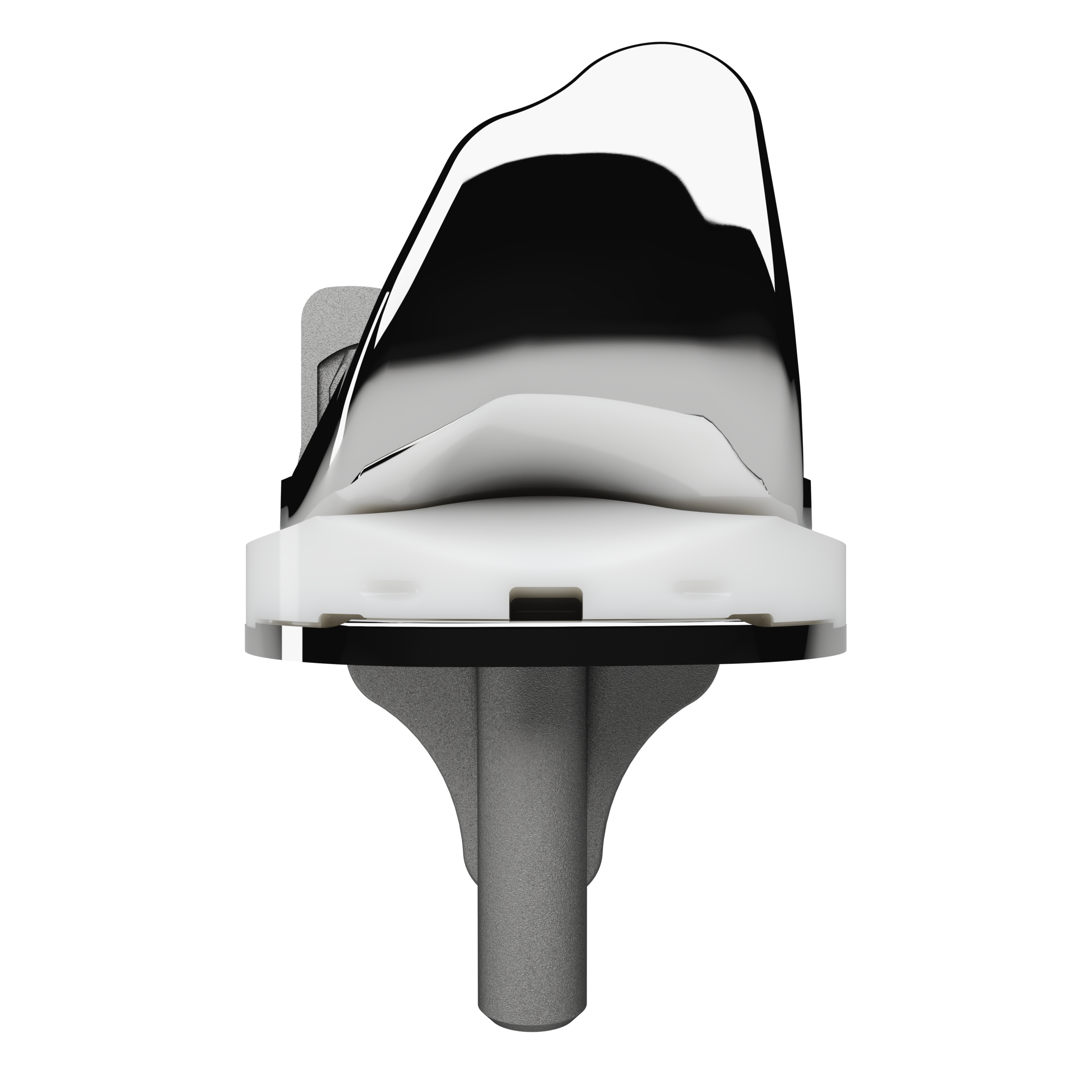
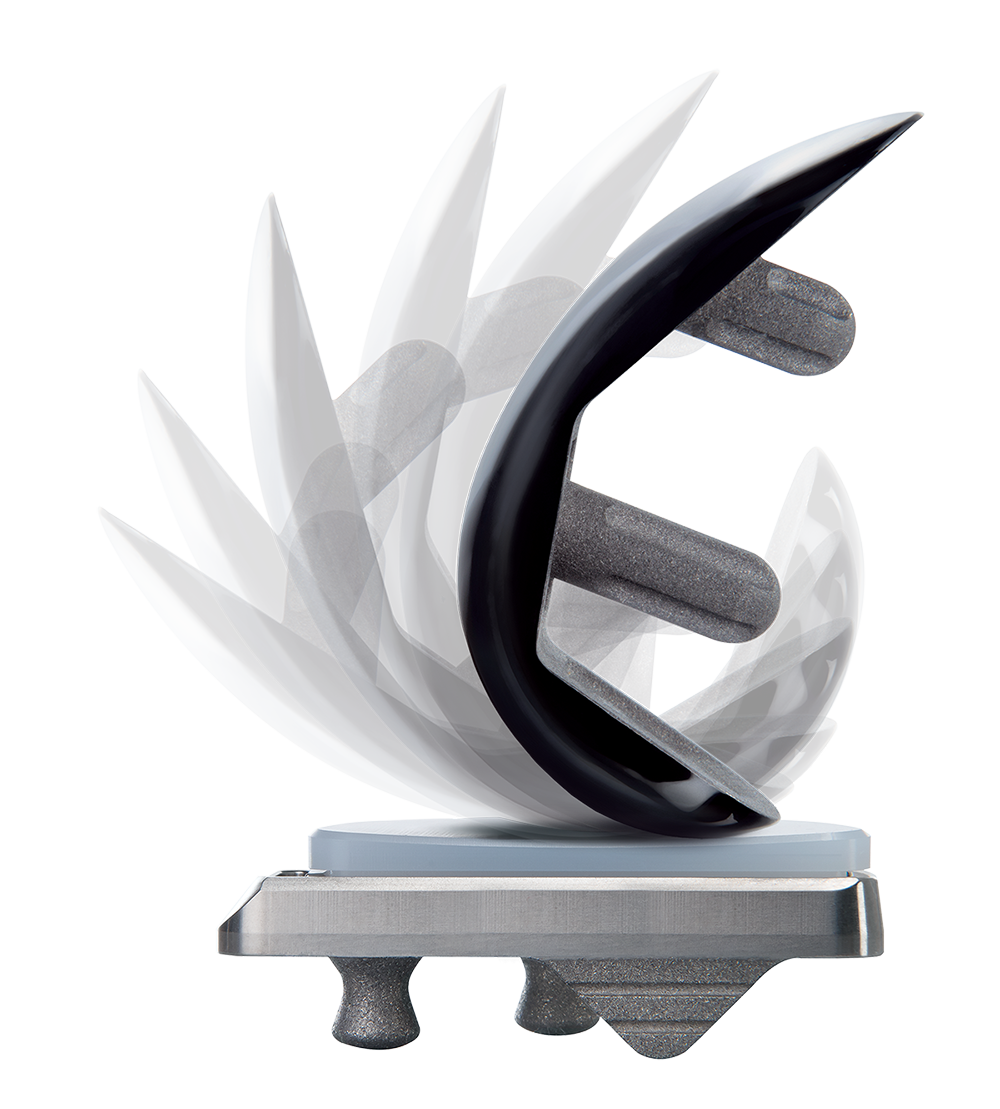
Also called robotic partial knee replacement or UKR, it replaces only the arthritic compartment of the knee while preserving the healthy bone, cartilage and ligaments.
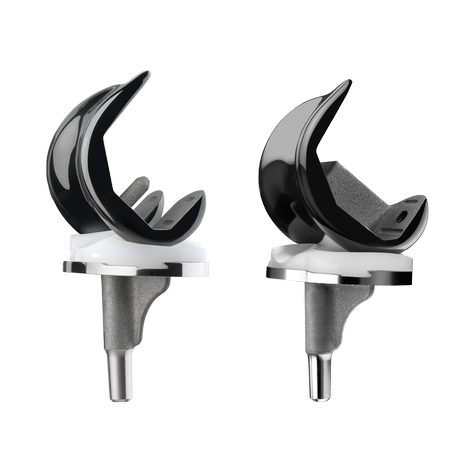
In total knee replacement, all significantly damaged compartments of the knee are resurfaced. It is generally considered when arthritis is widespread rather than limited to one area.
A patient may be suitable when:
✅ Arthritis is limited mainly to one compartment
✅ Pain is localised to one side of the knee
✅ Knee ligaments are functioning well
✅ Deformity and stiffness are not severe
✅ Medicines, physiotherapy and injections are no longer providing adequate relief
Final suitability is determined through examination and appropriate X-rays.
Total knee replacement may be preferred when arthritis affects multiple compartments or when there is significant deformity, stiffness, ligament damage or pain throughout the knee.
✅ Patient-specific surgical planning
✅ Accurate implant positioning
✅ Real-time assessment of alignment and ligament balance
✅ Controlled and precise bone preparation
✅ Preservation of healthy tissue whenever possible
Robotic assistance improves planning and execution, but it cannot guarantee a particular result.
The CORI system creates a 3D model during surgery and usually does not require a preoperative CT or MRI for robotic mapping. Routine X-rays and clinical assessment are still required, and additional imaging may be advised when necessary.
Many patients begin standing and walking with support on the day of surgery or the following day. The exact timeline depends on age, muscle strength, bone quality, medical condition and the type of replacement performed.
Appropriately selected partial knee replacement patients often experience less postoperative pain and a quicker recovery than total knee replacement patients. Individual recovery still varies.
No implant has a guaranteed lifespan. Implant longevity depends on implant design, positioning, activity level, body weight, bone quality, infection prevention and regular follow-up.
Possible risks include infection, blood clots, stiffness, persistent pain, nerve or blood-vessel injury, implant loosening or wear, pin-site fracture and the possibility of revision surgery.
Patient FAQs about CORI robotic partial and total knee replacement
Precision in technology. Control in the surgeon’s hands.
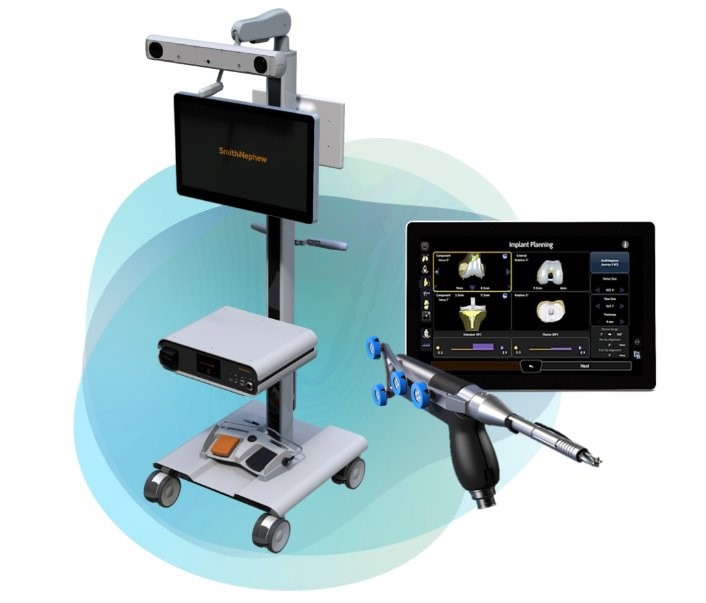
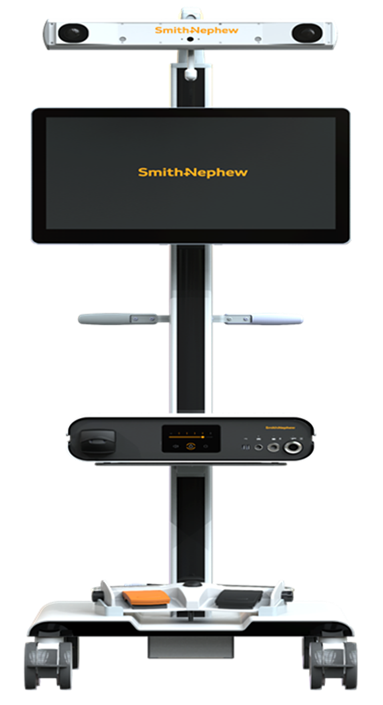
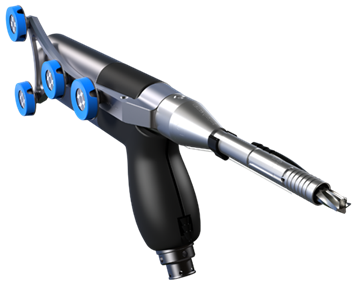
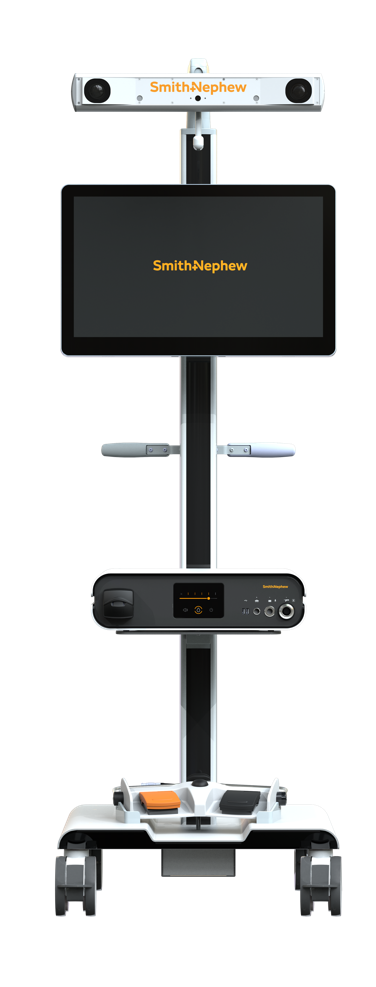
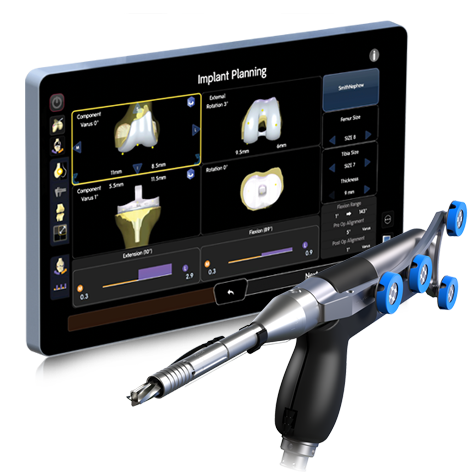
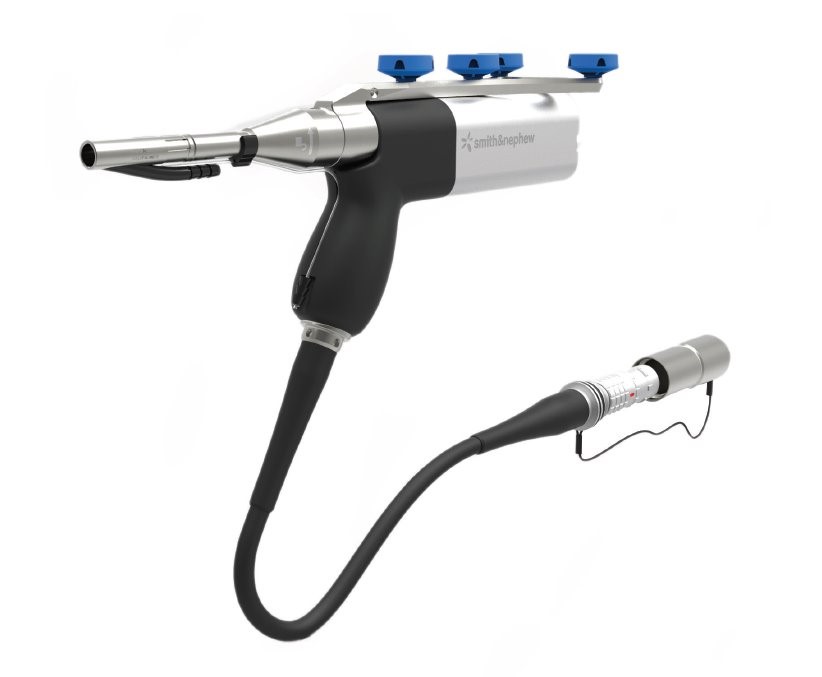
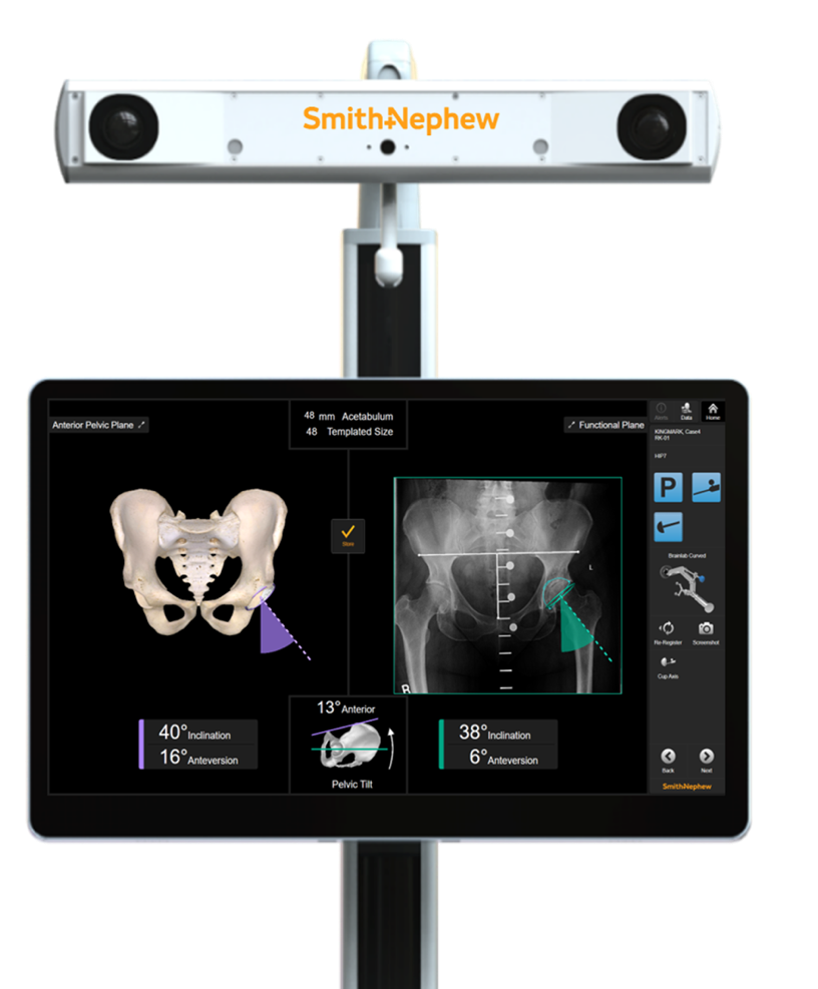
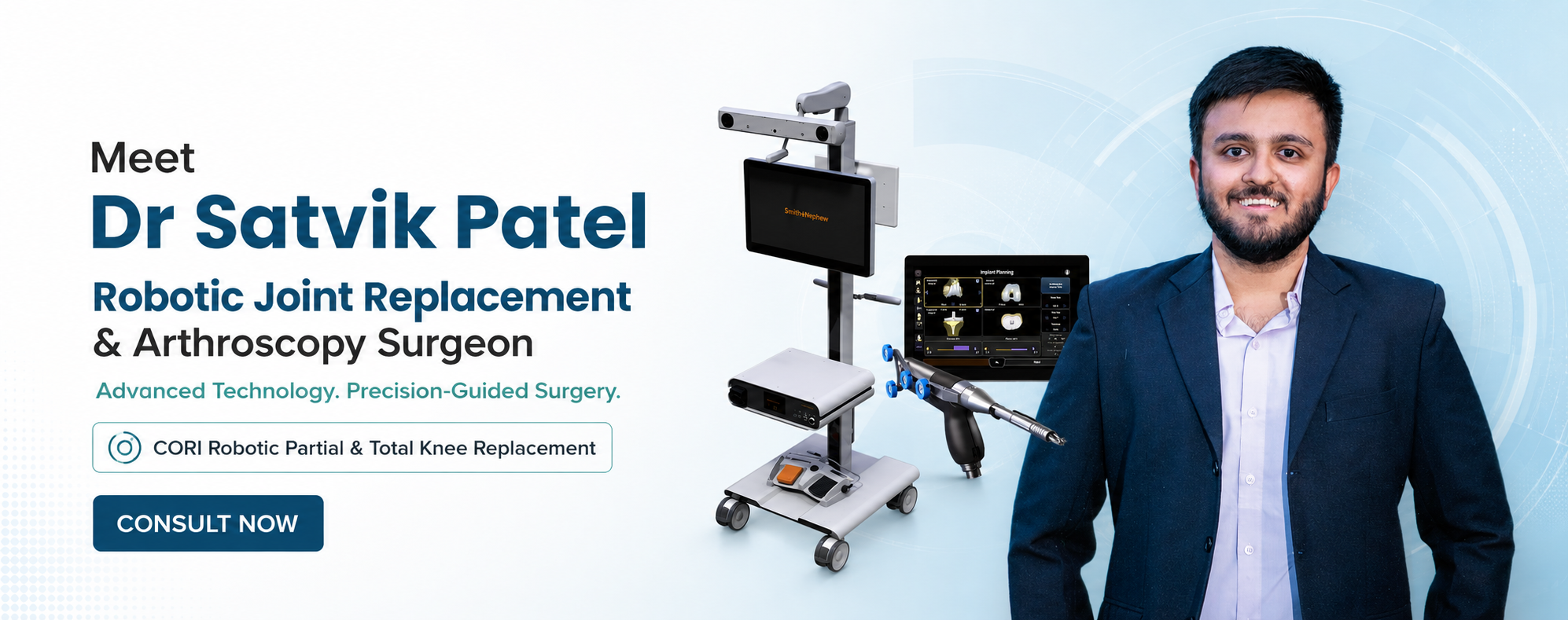
CORI is a second-generation, handheld robotic-assisted platform used for partial and total knee replacement.
It creates a personalised 3D model of the patient’s knee during surgery. This helps the surgeon plan implant size, position, alignment, bone preparation and ligament balance.
The surgeon remains in complete control throughout the operation.
The main practical differences include:
✅ Handheld robotic instrument
✅ Image-free 3D mapping during surgery
✅ No mandatory preoperative CT scan
✅ Real-time planning and gap assessment
✅ Precision-controlled bone preparation
✅ Compact and portable platform
✅ Suitable for partial and total knee replacement
However, some other modern robotic platforms may also offer CT-free planning or similar balancing features.
In its standard image-free workflow, CORI usually does not require a CT scan or MRI for robotic planning.
The surgeon maps important points on the knee during surgery, and the system creates a real-time 3D digital model.
This avoids the additional time, cost and radiation exposure associated with a preoperative CT scan.
Routine clinical examination and appropriate knee X-rays are still required. Additional imaging may be advised when medically necessary.
During surgery, the surgeon uses a tracking pointer to register the shape and important landmarks of the patient’s knee.
The CORI software processes this information and creates a virtual 3D model of the knee.
The surgeon can then study:
✅ Bone anatomy
✅ Limb alignment
✅ Joint movement
✅ Ligament tension
✅ Implant size and position
✅ Expected gaps during bending and straightening
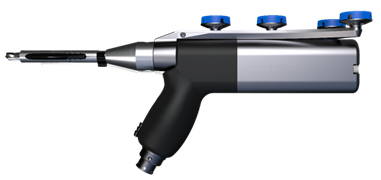
CORI uses a compact robotic handpiece directly controlled by the surgeon.
Some other systems use a larger robotic arm that guides or restricts the surgical instrument within a planned boundary.
Potential advantages of the CORI handheld design include:
✅ Direct surgeon control
✅ Familiar hand-controlled movement
✅ Smaller operating-room footprint
✅ Real-time adjustments during surgery
✅ Precision milling without a large robotic arm
Neither design automatically guarantees a better result. The surgeon’s planning, training and execution remain essential.
No.
CORI does not independently diagnose, plan or perform knee replacement surgery.
The surgeon:
✅ Examines the knee
✅ Selects partial or total replacement
✅ Creates and approves the surgical plan
✅ Controls the robotic handpiece
✅ Removes the damaged bone
✅ Positions and checks the implant
✅ Makes all final decisions
The robot assists the surgeon—it does not replace the surgeon.
Every knee has a different shape, alignment and ligament balance.
CORI allows the surgeon to virtually position the implant and assess the expected result before removing bone.
The surgeon can modify:
✅ Implant size
✅ Implant position
✅ Depth of bone preparation
✅ Varus–valgus alignment
✅ Flexion and extension gaps
✅ Overall ligament balance
This helps avoid a one-size-fits-all approach to knee replacement.
CORI uses a surgeon-controlled, high-speed precision milling instrument.
The robotic system continuously tracks the position of the patient’s knee and the surgical handpiece.
Bone is removed according to the approved surgical plan. This is designed to help achieve accurate bone preparation and implant positioning while preserving healthy bone whenever possible.
A successful knee replacement requires more than straight X-rays. The knee should also remain appropriately balanced throughout movement.
CORI allows the surgeon to assess the joint gaps while bending and straightening the knee.
The implant plan can then be adjusted according to:
✅ Ligament tension
✅ Knee movement
✅ Flexion gap
✅ Extension gap
✅ Patient-specific anatomy
The final balance is assessed and accepted by the surgeon.
Yes.
In robotic unicompartmental or partial knee replacement, only the arthritic compartment is resurfaced.
CORI helps the surgeon position the smaller implant accurately while preserving the healthy:
✅ Bone
✅ Cartilage
✅ Meniscus in unaffected compartments
✅ Cruciate ligaments
✅ Natural knee structures
Partial knee replacement is suitable only when arthritis is limited to the appropriate compartment and the ligaments are functioning well.
Yes.
CORI can assist with both robotic partial knee replacement and robotic total knee replacement.
Total knee replacement may be advised when arthritis affects multiple compartments or when significant deformity, stiffness or ligament problems make partial replacement unsuitable.
The decision should be based on the patient’s knee—not simply on age.
Studies of imageless handheld robotic knee replacement have demonstrated improved accuracy in achieving planned bone cuts and alignment compared with conventional instruments or navigation in certain settings.