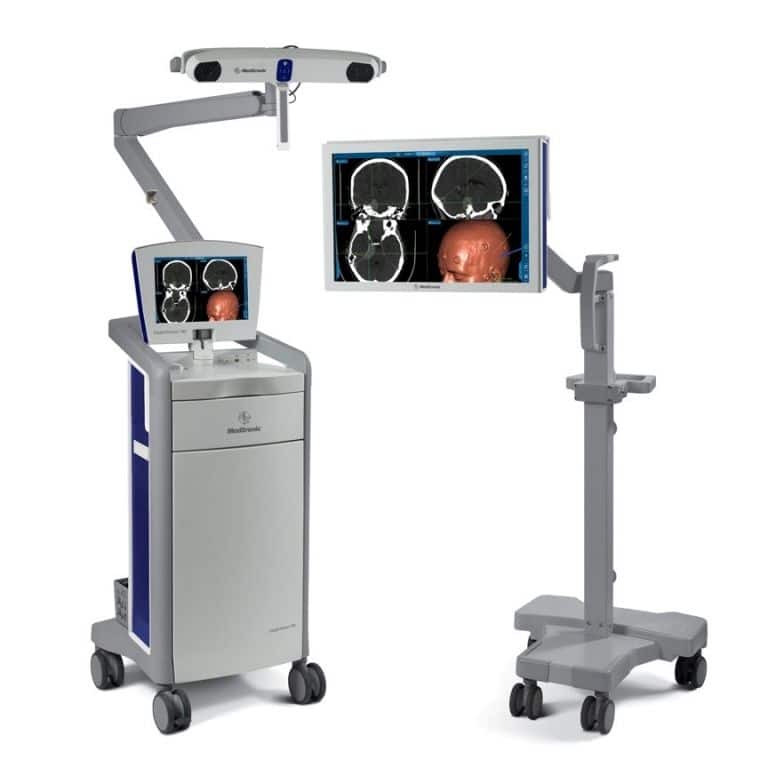
Revision sinus surgery is a procedure performed on patients who have previously undergone sinus surgery but continue to experience symptoms of chronic sinusitis or have developed new complications. This surgery aims to address persistent or recurrent issues, improve sinus drainage, and restore normal sinus function.
Revision sinus surgery involves reentering the sinus cavities to correct problems that may not have been fully resolved in the initial surgery or to address new anatomical changes that have occurred postoperatively. The procedure is tailored to the specific needs of the patient and may include removing scar tissue, correcting structural abnormalities, and ensuring that the sinus passages are properly opened and functioning.
Patients may require revision surgery due to persistent sinus infections, unresolved sinus blockage, polyp regrowth, or complications from the initial surgery. It is indicated when non-surgical treatments and medications fail to alleviate symptoms and improve the patient’s quality of life.
Revision sinus surgery can provide significant relief from chronic sinus symptoms, improve breathing, and enhance overall sinus health. However, it carries risks similar to any surgical procedure, including bleeding, infection, and potential damage to surrounding structures. Given the complexity of revision surgery, it requires a high level of expertise and precision from the surgeon.