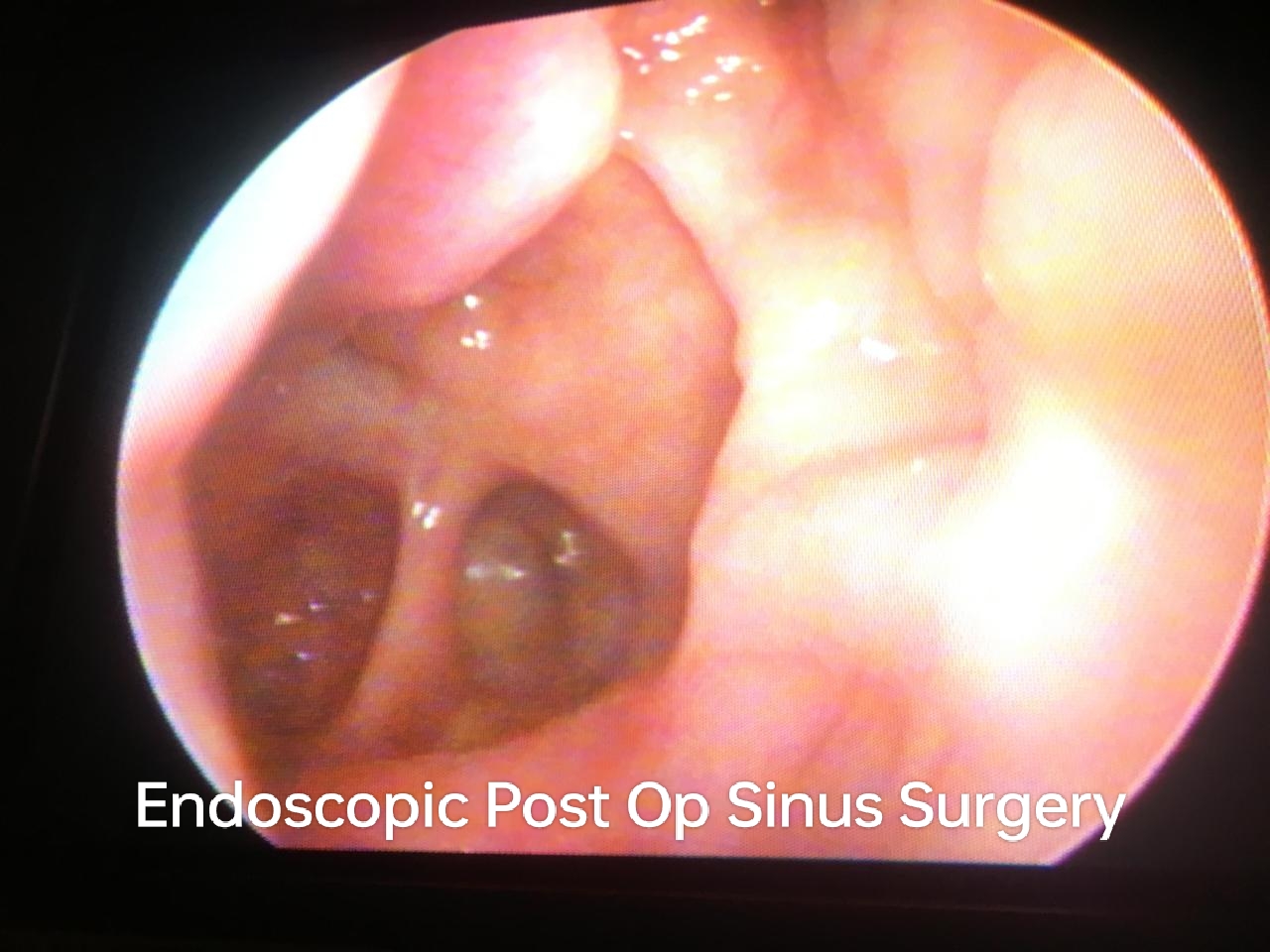
Functional Endoscopic Sinus Surgery (FESS) is a minimally invasive procedure designed to treat
chronic sinusitis and other sinus-related conditions. Utilizing an endoscope—a thin, flexible tube
equipped with a light and camera—surgeons can access the sinus cavities through the nostrils,
eliminating the need for external incisions.
FESS involves the removal of obstructions within the sinuses to restore normal drainage and
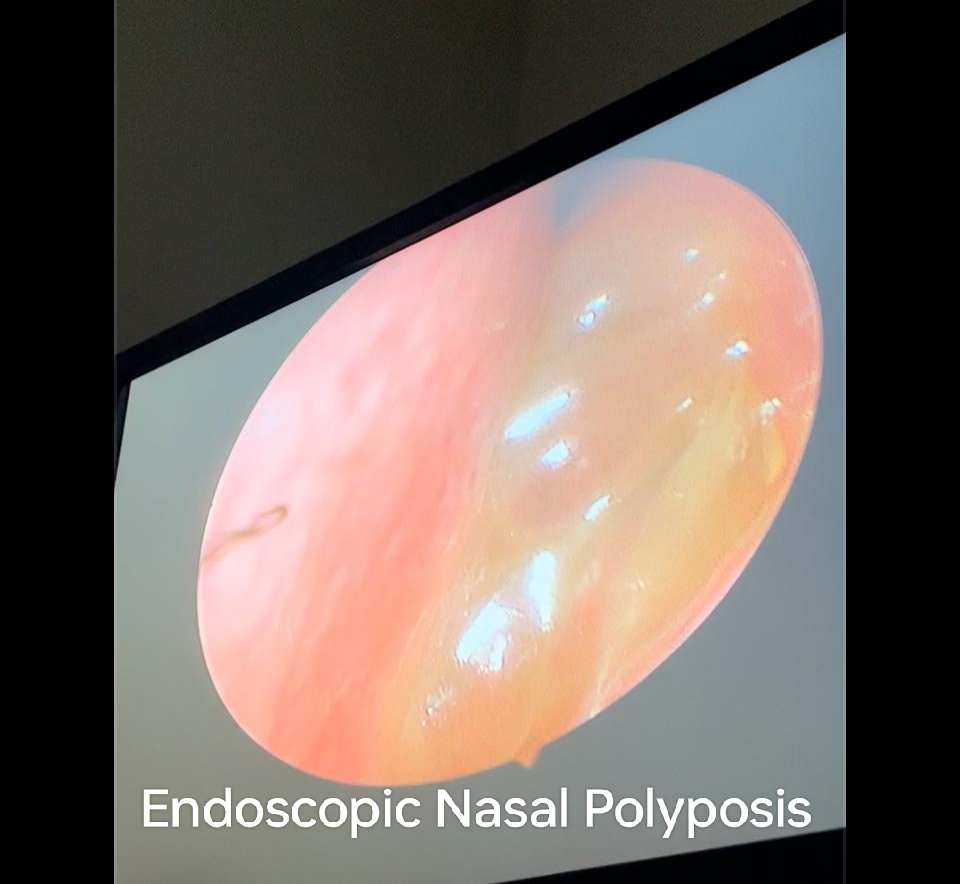
function. This typically includes the removal of polyps, diseased tissue, or bone, and the widening of
sinus openings. The endoscopic approach allows for precise navigation and minimal disruption to
surrounding tissues.
FESS is indicated for patients with chronic sinusitis unresponsive to medical treatment, recurrent
sinus infections, nasal polyps, and certain structural abnormalities causing sinus obstruction. It is
also beneficial for those experiencing significant symptoms that impact their quality of life.
The primary benefits of FESS include reduced postoperative discomfort, quicker recovery times, and
improved sinus drainage and function. However, like any surgical procedure, it carries potential risks
such as bleeding, infection, and damage to surrounding structures, including the eyes and brain.
Proper patient selection and surgical expertise are crucial to minimizing these risks.